 Back to The Globe
Featured Harlem Renaissance
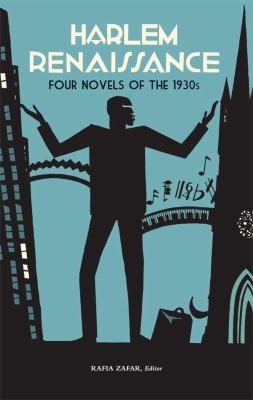
Harlem Renaissance Four Novels Of The 1930s
The defiant energy of the New Negro Arts Movement that flourished between World War I and the Great Depression--more famously known as the Harlem Renaissance--was indelibly articulated by Langston Hughes: "We younger Negro artists who create now intend to express our individual dark-skinned selves without fear or shame.
Your reading world on The Globe
Discover your next book. Keep the ones that matter.
Join The Globe for a free reader profile and discover books, writers and stories in one place.
About the book
About Harlem Renaissance Four Novels Of The 1930s
The defiant energy of the New Negro Arts Movement that flourished between World War I and the Great Depression--more famously known as the Harlem Renaissance--was indelibly articulated by Langston Hughes: "We younger Negro artists who create now intend to express our individual dark-skinned selves without fear or shame. If white people are pleased we are glad. If they are not, it doesn't matter. ... We build our temples for tomorrow, strong as we know how, and we stand on top of the mountain, free within ourselves." Hughes was just one of the novelists who transformed American literature with sometimes startling explorations of fresh subject matter--including such controversial themes as "passing" and color prejudice within the black community--and a defiant insistence that African American writers must speak for themselves. Now, for the first time, the greatest works of the movement are assembled in a definitive two-volume edition featuring authoritative texts and a chronology, biographies, and notes reflecting the latest scholarship. Together, the nine books in Harlem Renaissance Novels form a vibrant and contentious collective portrait of African American culture in a moment of tumultuous change and great promise. "In some places the autumn of 1924 may have been an unremarkable season," wrote Arna Bontemps, one of the novelists in the collection. "In Harlem it was like a foretaste of paradise." Four Novels of the 1930s captures the diversity of genre and tone nourished by the Renaissance. Langston Hughes's Not Without Laqughter (1931)--the poet's only novel, an elegiac, elegantly realized coming-of-age tale suffused with childhood memories of Missouri and Kansas--follows a young man from his rural origins to the big city. George S. Schuyler's Black No More (1931), a satire founded on the science-fiction premise of a wonder drug permitting blacks to change their race, savagely caricatures public figures white and black alike in its raucous, carnivalesque send-up of American racial attitudes. Considered the first detective story by an African American writer, Rudolph Fisher's The Conjur-Man Dies (1932) is a mystery that comically mixes and reverses stereotypes, placing a Harvard-educated African "conjure-man" at the center of a phantasmagoric charade of deaths and disappearances. Black Thunder (1936), Arna Bontemps's stirring fictional recreation of Gabriel Prosser's 1800 slave revolt, which, though unsuccessful, shook Jefferson's Virginia to its core, marks a turn from aestheticism toward political militance in its exploration of African American history.
Reader conversation
Discuss this book
Are you the author or publisher?
Claim this page to verify the book information, add an author profile, update purchase links or request removal.