 Back to The Globe
Featured Literary Criticism
First Contact
First Contact is a detailed, practical guide to First Contact and Classic Alien Encounter Stories Explained for readers who want a clear path from understanding the topic to using it confidently in real situations.
Your reading world on The Globe
Discover your next book. Keep the ones that matter.
Join The Globe for a free reader profile and discover books, writers and stories in one place.
About the book
About First Contact
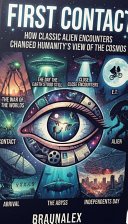
First Contact is a detailed, practical guide to First Contact and Classic Alien Encounter Stories Explained for readers who want a clear path from understanding the topic to using it confidently in real situations. The book is designed as a structured learning companion rather than a shallow overview: it introduces the core ideas, explains why they matter, then develops them through realistic examples, guided practice, scenario-based explanations, and common mistakes to avoid. Readers are taken step by step from foundational concepts into everyday applications, with each chapter building on the previous one so the material feels progressive, usable, and easy to revisit. The main areas of focus include Why We Need First Contact Stories, The War of the Worlds: The Birth of an Archetype, The Day the Earth Stood Still: The Benevolent Alien Trope, Close Encounters of the Third Kind: The Language of Light and Sound, E.T. the Extra-Terrestrial: The Alien as Childhood Companion, Alien: When First Contact Becomes Cosmic Horror, Contact: Faith, Science, and the Search for Meaning, Arrival: Language, Time, and the Sapir-Whorf Hypothesis, The Abyss: Underwater Aliens and Cold War Metaphor, Independence Day: The Spectacle of Invasion, giving the book a concrete learning arc that moves from orientation and confidence-building to applied communication, problem solving, and independent practice. The writing style is direct, supportive, and accessible, making the book suitable for self-study, classroom reinforcement, professional development, or personal improvement. It emphasizes practical understanding over abstract theory, so readers can immediately connect the lessons to conversations, decisions, habits, and challenges they are likely to face outside the page. By the end of the book, readers should have not only a stronger grasp of the subject, but also a collection of repeatable strategies, useful language patterns, mental models, and practical routines they can continue applying after they finish reading.
Reader conversation
Discuss this book
Are you the author or publisher?
Claim this page to verify the book information, add an author profile, update purchase links or request removal.